




For Quantity Surveyors
Six things you've been told.
- It's a great opportunity.
- They're a really good client.
- It's a step up.
- The market's busy, you should move now.
- Let me put you forward and see what happens.
- It's the same job for more money.
Every one of those was said by somebody who gets paid when you say yes.
The question nobody asks you is whether you should move.
We ask it because we will meet you again. Three or four times in thirty years: as a QS, as a Commercial Manager, then as the Commercial Director doing the hiring.
One bad move costs us all of the later ones.
Five ways a QS career goes wrong. We watch all of them.
Moving for the money
The number goes up twenty per cent and the job is the same job or worse. Twelve months later you are looking again. Now there is a short stint on the CV you will be justifying for the next decade.
Letting your name go out
One conversation, and by Friday five agencies have your CV. You find out from a mate who saw it. It cost you the thing you cannot get back.
Chasing the title instead of the scope
Senior QS where seniors run a package is a smaller job than QS where you run a project. Titles are not comparable between companies and everybody carries on pretending they are.
Going contract for the rate and getting sold as cover
The day rate looks like a pay rise until you have spent eighteen months holding a seat and have nothing that builds your capability.
Moving three times in four years
Commercial Directors read tenure first. The jobs you want stop coming and nobody tells you why.
Standing still is not the safe option either.
Staying put is often right. Staying put by default is a decision too. It goes wrong for the ones whose scope quietly shrank around them while nobody said anything.
Your name goes nowhere without your say-so.
One company at a time. You know their name before they know yours, and you decide.
Looking while staying exactly where you are is most of what we do. It is also the only way the good jobs get filled. The people who get them were not applying either.

Permanent, or Contract?
Permanent
Why you have not heard about most of the good jobs.
Contract
There are two kinds of contract QS and the rate can be identical. Three years of those two careers are not.
Half an hour with someone who only works with Quantity Surveyors, and the worst outcome is you stay where you are knowing why.
Things we have written down
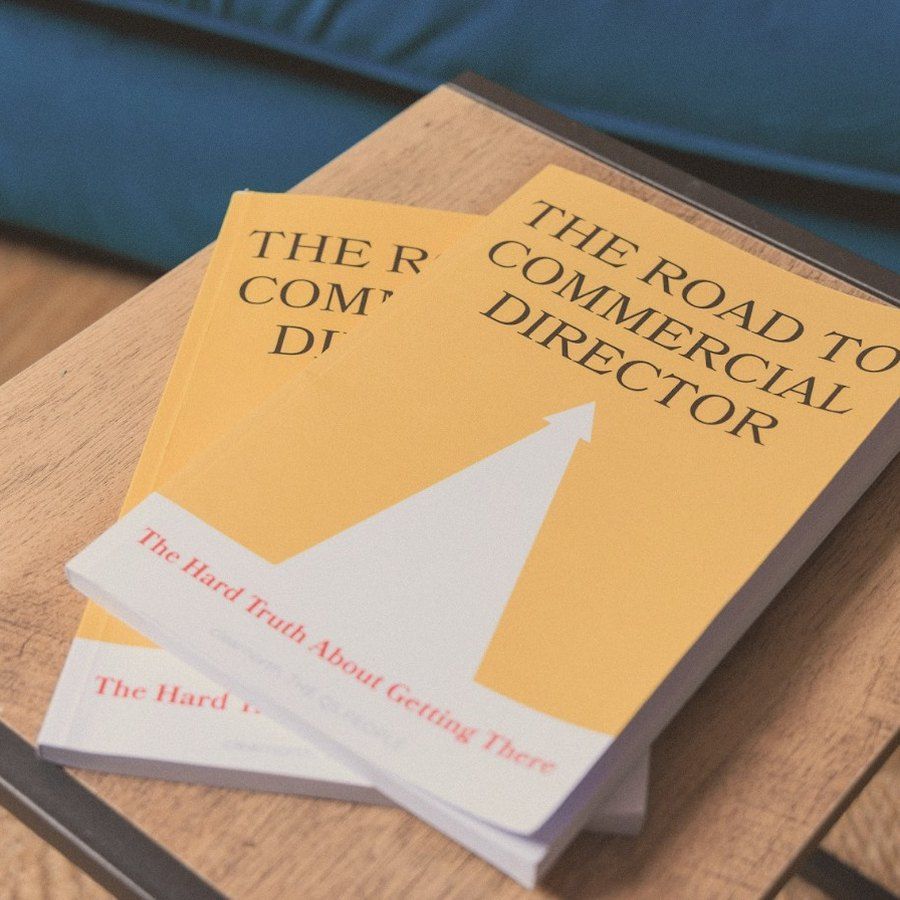
The Road to Commercial Director
What it takes to get there, from over forty people who did.
The Commercial Consultant Handbook
The rates, the IR35 position, and the sums nobody does before going contract.
Field Notes
What we are seeing.
Email address only. Nobody rings you.
What people have said · Google reviews
Matt helped us place a freelance QS whilst we had an opening for a new full time position.
Andy Pickering · June 2026
Matt sourced the freelance position at the company I wanted to work for, and negotiated terms perfectly.
James Hughes · May 2026
They came highly recommended from a close friend. When I was ready for my next commission, I reached out.
Matthew B · August 2026
How do I know if I'm paid fairly as a QS?
Compare the scope, not the title. A Senior QS at one company runs a package and at another runs a project. Our pay page sets out what the market pays at each level.
When should a Quantity Surveyor move jobs?
When the next role gives you something the current one can't. More scope, a bigger contract, a step towards commercial management. Money on its own is the reason most people regret.
How long should I stay in a QS role?
Long enough to finish something you can point to. A run of short stays is the first thing a Commercial Director notices, and it costs you the calls you want.
Will my employer find out I'm talking to you?
No. Your name goes nowhere without your say-so. One company at a time, and you know who they are before they know who you are.
Is it worth going freelance?
If you would rather be judged on a piece of work than on being in the building, yes. If it's for the day rate, read the handbook first. The sums are less obvious than they look.